Temporary Advices
This FAQs answer sheet includes a number of questions from seafarers who have contacted the SeafarerHelp team.
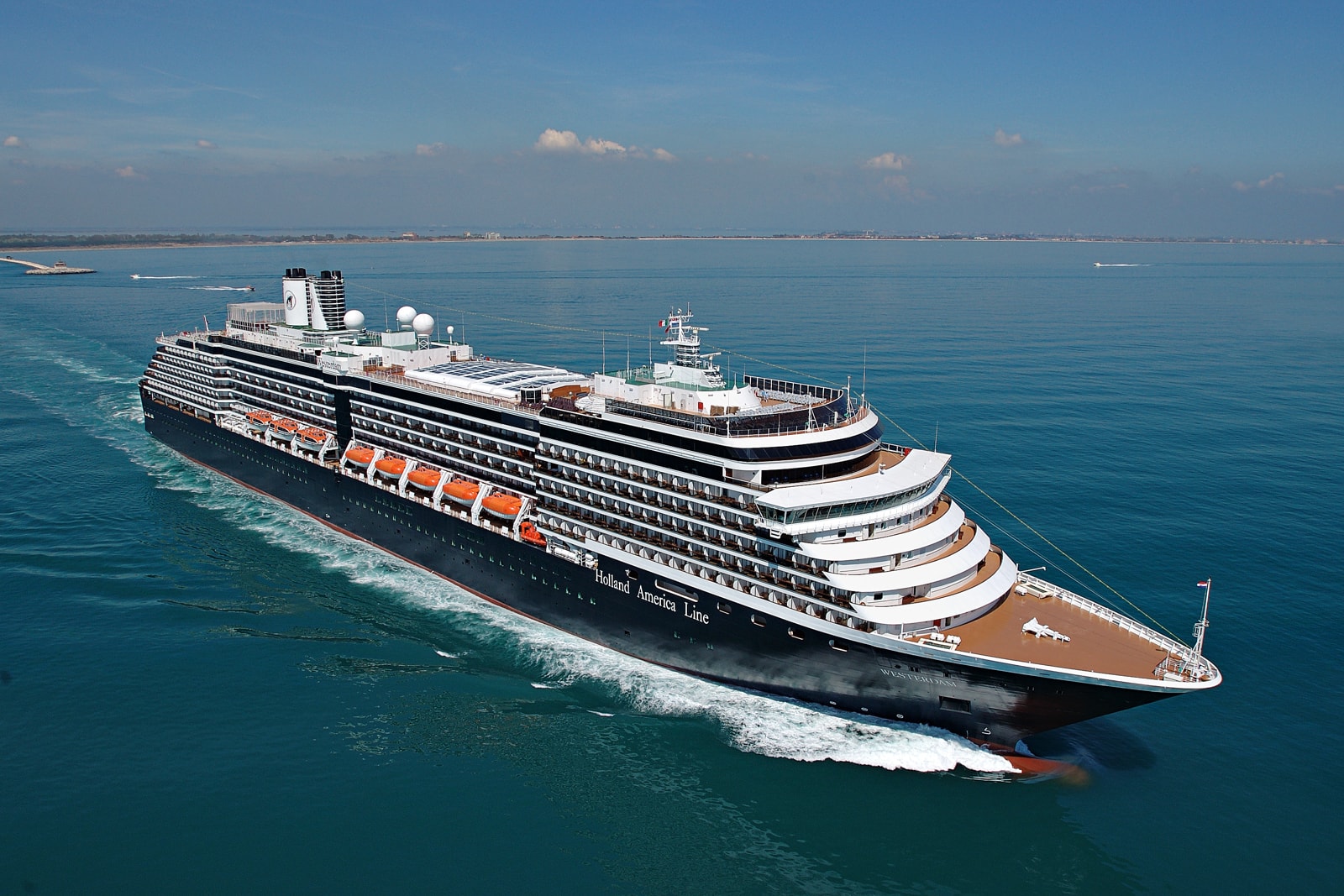
New guidelines to avoid or manage an outbreak of coronavirus on board ships are now available.

We can pick up the Covid-19 by touching surfaces contaminated with the new coronavirus.

Psychotherapists are ready to put their knowledge into practice to help you manage what may be left now, so you can be #goodagain.
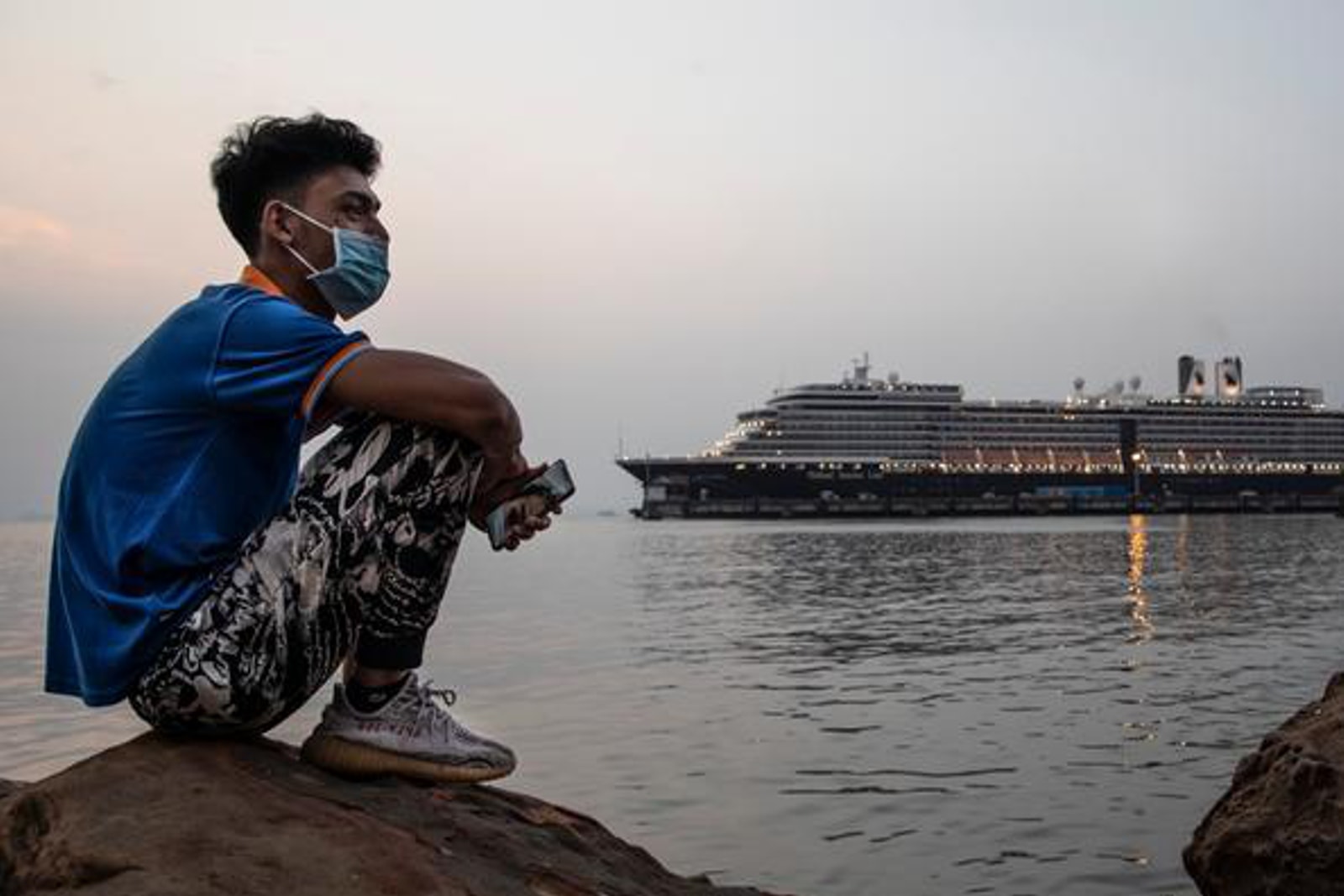
Due to the Covid-19 pandemic, several protection rules were imposed during Seamen's Club activities:
• Free carriage of the seamen from ship to club back and port.
• Frequent desinfection of the vehicles (handles, steering wheel, dashboard).
• Hydroalcoholic gel and masks available in the vehicles.
• Hand disinfection.
• Mask is mandatory.
• 4 seamen per vehicle.
• No seamen on the front seat (besides the driver).
• Carriage of seamen of a single ship (no mixing with the crew of another ship).

If you have arrived in Constanța and, together with your colleagues, would like to go out to the city, call us at +40 723 000-555. We are waiting for you!

Do not exchange money except at authorized exchange centers!

If you use individual transport, look for authorized taxi cars only and pay attention to the fare.

If you are out in town, it is preferable not to be alone.

Do not buy alcoholic beverages to bring them into the harbor.

Pay attention! There are some crooks who pretend to be from Seamen's Club. They will ask you for money in various forms and then disappear. Ignore them or call the police. Seamen's Club representatives will never ask you for money.
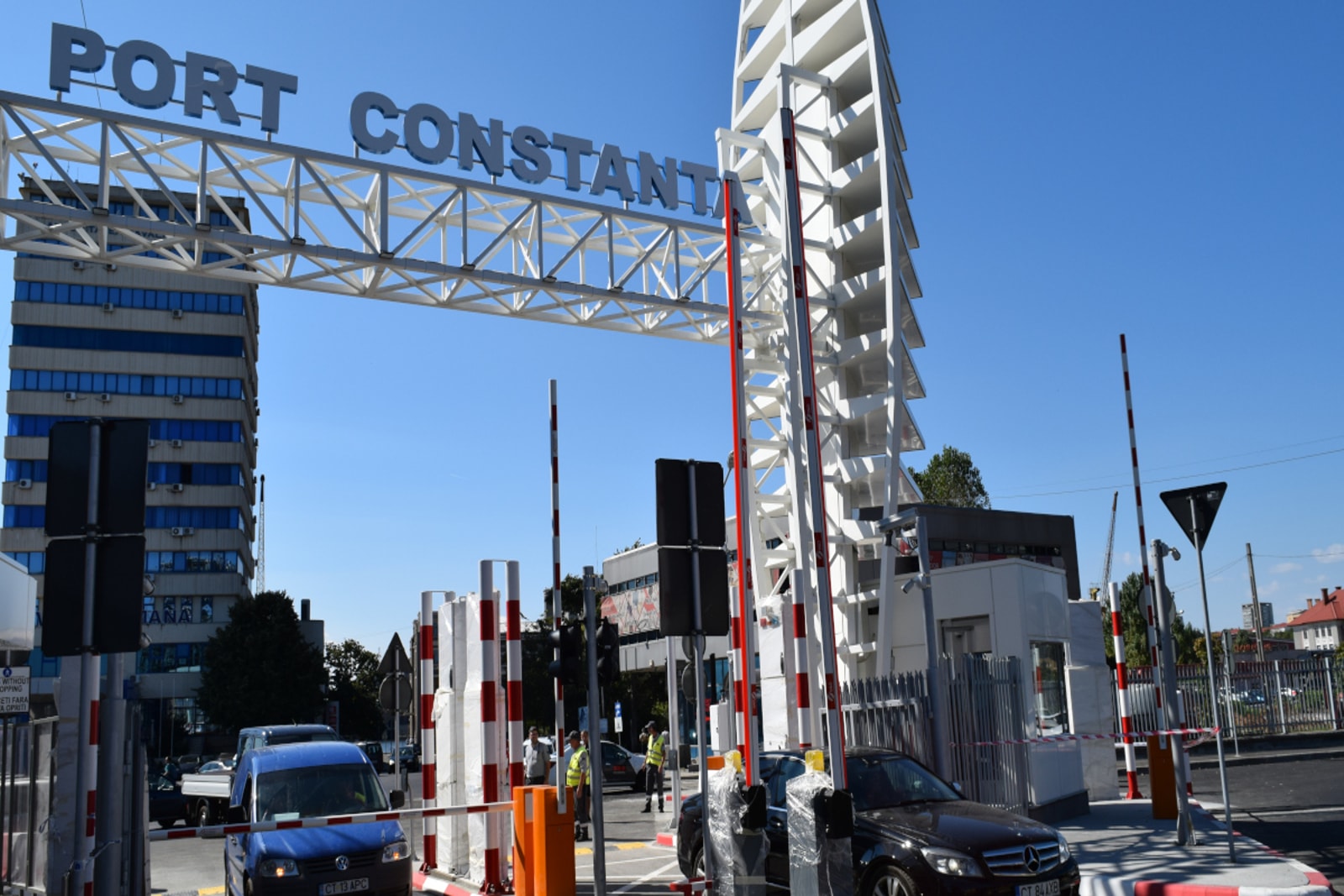
If you are not European, you can use ONLY GATE 1 to exit and enter in the port.
2014-05-27 | Oana Ungureanu, Blogger
A Seamen's Club is much more for sailors than any other club for those for whom it is intended.
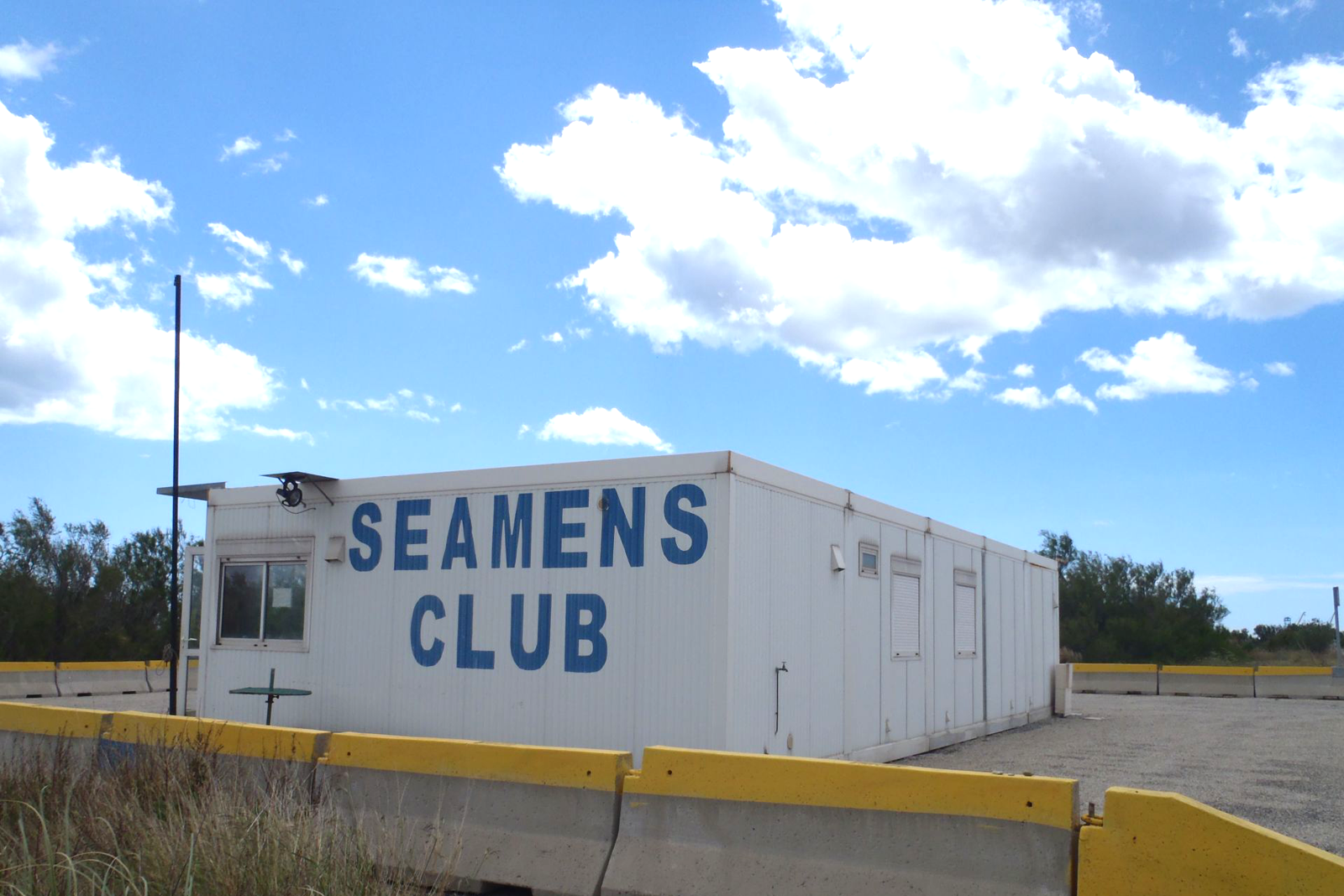
I'm sure many of those who have nothing to do with the sea or the profession of sailor do not know what a Seamen's Club means. The name may say a lot, but not enough. Because a Seamen's Club is more than a club and it is much more for sailors than it is a Golf Club for its members or any other club for those for whom it is intended.
Sailors are a very special category of people. Some of them have chosen this profession in a spirit of adventure, in order to be able to travel in untrodden places, to know more than is accessible to the overwhelming majority, to be different and to feel free, in the middle of the sea. Others became sailors only by chance, because life pushed them in this direction, forced by circumstances and needs.
Regardless of the category in which they fall, sailors around the world form a beautiful ‘family’ that must support each other, help and respect each other.
The organizations and missions that take shelter today under the general name of 'Seamen's Club' have their roots in the Mission to Seafarers founded in 1856. With different names - Seamen's Mission, Stella Maris, Seamen's Club, Church Institute for Seafarers - these organizations are based on a community of people who come to meet the sailors, offering them assistance in various fields. Such clubs operate in most ports in Europe, North America and Australia, but also in several ports in Asia, Africa and South America. The two cornerstones on which these communities are based are religion and volunteering. Each club is supported by a particular church, but is open to all believers regardless of religion. Because before God we should all be equal, no matter what religion we belong to, these communities offer services to all sailors, regardless of religious barriers.
In addition to simple legal and social assistance services, sailors can benefit from a wide range of other services at Seamen's Clubs: internet access and telephone to communicate with people at home, express courier services, exchange and money transfer to any destination in this world, transport from the ship to the city and back, festive meals on the occasion of important holidays, religious services.
All these missions are supported by private donations from people belonging to the respective religious community, but also by donations from sailors.
Most of these 'clubs' are located inside or in the immediate vicinity of the port to facilitate sailors' access and allow volunteers to reach the ship more easily - provided that sailors do not have time themselves to travel to the mission headquarters. .
In addition to a team of volunteers ready to help and provide advice at any time, such a mission must include a building - larger or smaller - and a few cars capable of carrying sailors from the port to the city or to the club.
In some cases, these buildings are real constructions - some even received in the form of donations - rigorously divided into several compartments to best meet the requirements of sailors. In smaller ports, such clubs are just specially designed spaces inside other larger buildings, without being completely independent of them. In many cases, volunteers working on such missions cannot receive guests in a well-defined building due to the fact that they do not have such a space or it is very far from the port area. However, the volunteers try to fulfill their obligations as well as possible and offer most of the services directly to the ship. The more developed and, implicitly, richer the port city is, the better equipped the Seamen’s Club is and the more volunteers.
Regardless of the size of the building, most of these ‘clubs’ have a room with a few computers, a small shop, a recreation room and a chapel. In some clubs there are ping pong or billiard tables, a restaurant, several TVs, a mini library with loan cards and even various musical instruments.
Sometimes these clubs are located in the same building as a hotel, and sailors can be accommodated here before leaving for home (or before boarding the ship), at discounted rates.
Because these clubs are always based on a religious organization, sailors can benefit from religious counseling and services on request - services on religious holidays and whenever requested, meetings with priests (pastors). These meetings can even take place on the ship, with sailors preferring to stay on board, and pastors themselves can come among those who need counseling and guidance at some point.
Most of the services offered by Seamen’s Missions are free, but must be supported by donations. Therefore, it is recommended to deposit in specially designed boxes - $ 1 for each hour of internet used, $ 3-4 for transportation from the ship to the city and back. In some Seamen's clubs in the United States, there is a list of 'tariffs' to be honored by sailors, but these tariffs are always much lower than any other tariffs imposed by private companies offering transportation, internet services, courier or money transfer.
A few years ago, many clubs made loan cards available to those interested. Sailors could take a few books, with the possibility of returning them for the next visit in the same place or in any other club in another port, even in another country. There are still clubs in the UK and France that offer books on loan, but in other countries they are becoming increasingly rare. Perhaps the book fund has been exhausted due to the fact that the sailors have not returned the books taken or maybe even the interest in the books has disappeared since the sailors now have other ways to spend their free time. More and more shipping companies have started offering sailors internet on board, and as a result, interest in Seamen’s clubs has declined and will continue to decline in the coming years. I hope this does not happen too soon because it is precisely such communities that maintain close ties between sailors of different nationalities and religions by helping them to socialize, to share their knowledge and adventures.
Nowadays, due to the speed of operation in most ports of the world, it is becoming increasingly difficult for sailors to go for a walk in the city to relax or just to communicate with those at home. Seamen’s clubs come to meet them, helping them and giving them exactly what they need in the shortest time possible. Sailors do not want to go for a walk in all the ports they arrive in because these walks can be tiring, time and money consuming and are not always easy to do. Many times they just want to change the landscape for a few hours, to give a little diversity to their daily routine, to meet new faces. Even if they benefit from all the new wonders of technology and do not need to go to a Seamen's club to get in touch with their loved ones, I hope that sailors will not abandon this tradition in the future and help it to survive, as they do. for over 150 years.
It is also very important that more and more such clubs are born in the smaller and more isolated ports of the world because in such ports sailors encounter the greatest difficulties (for example - Africa).
Of all the clubs I have visited so far in different countries, the best organized, gifted and reliable seem to me to be the ones in the United States. Americans are, in fact, the ones who invented the concept of volunteering, and this is very clear in absolutely every field of activity - from working in hospitals and defending animal rights, to building houses for those hit by floods or defending and conservation of turtle chicks. Even children are taught to do various volunteer activities, and most young people looking for a job have at least 4-5 volunteer activities in different fields described in the employment resume.
In Seamen's American Clubs, apart from one or two permanent employees, absolutely all the other collaborators are volunteers and most of them are students or high school students in their final years. The other category includes former sailors, now retired, who, after spending 25-30 years at sea, have retired ashore, but cannot stay too far from their guild and do not want to lose contact with this numerous 'family'. They are the ones who best meet the requirements of seafarers because they know all too well what this job entails and especially what the sailors need.
The concept of volunteering (especially in this area) may be new to many of us, but it must be understood and respected at its true value, and people who carry out such activities must also be helped and supported - both by government and non-profit organizations, as well as sailors to whom all their work goes. Sometimes a simple ‘thank you’ may suffice, but in some cases words expressing gratitude and gratitude must be accompanied by cash donations. These donations help the mission to move forward and provide assistance to those sailors in the most disadvantaged countries who need help the most, but who cannot afford to contribute financially to the organization's support.
Mission to Seafareres helps and supports sailors around the world, but sailors must respond in the same way. They must be grateful and contribute - as much as possible - to the smooth running of its activities, help themselves when needed and try to make this beautiful tradition known throughout the world.

Oana Ungureanu, Blogger